
 中文
中文
-
Shipping Containers
- Container Parts
- Roof Panel
- Side Panel
- Front End Panel
- Door Panel
- Front Corner Post
- Rear Corner Post (Outer/Inner)
- Cross Member
- Bottom Side Rail
- Top Side Rail
- Door Sill
- Front Bottom Rail
- Top End Rail
- Door Header Upper/Lower
- Door Rail
- Floor Spacer
- Angle
- Top/Bottom End Rail
- Door Edge Member
- Door Sealing
- Door Frame Profile
- Door Lining
- Door Hardwares
- Door Gasket
- Side Panel/Lining
- T-Floor
- Roof Panel/Lining
- Cross Member
- Bottom Side Rail
- Top Side Rail
- Ledge PVC
- Kazoo Drain
- Auto Drain
- Alu Tube
- Auto Drain Center Part
- PVC Drain Pipe
- PVC Plugs f. Drain with Ring and Steel Wire
- Door Screw
- Door Screw Nut
- Door Screw Rubber
- Tapping Screw
- Stainless Blind Rivet
- Lashing Ring
- CSC Plate
- Welding Wire
- Tapping Screw Bit
- Vehicle Parts
- Ship Supplies
- 00. Provisions
- 11. Welfare Items
- 15. Cloth & Linen Products
- 17. Tableware & Galley Utensils
- 19. Clothing
- 21. Rope & Hawsers
- 23. Rigging Equipment & General Deck Items
- 27. Painting Equipment
- 31. Safety Protective Gear
- 33. Safety Equipment
- 35. Hose & Couplings
- 37. Nautical Equipment
- 39. Medicine
- 45. Petroleum Products
- 47. Stationery
- 49. Hardware
- 51. Brushes & Mats
- 55. Cleaning Material & Chemicals
- 59. Pneumatic & Electrical Tools
- 61. Hand Tools
- 63. Cutting Tools
- 65. Measuring Tools
- 69. Screws & Nuts
- 75. Valves & Cocks
- 77. Bearings
- 79. Electrical Equipment
- 81. Packing & Jointing
- 85. Welding Equipment
- 87. Machinery Equipment
- Vehicles
- Lashing Tools
- Logistics Tools
Container PartsA Complete Guide to Container Flooring – Selection Criteria & Core AdvantagesMar 27,2026As one of the largest and most critical structural accessories of a shipping container, the container flooring bears the full weight of cargo, withstands forklift rolling and loading/unloading impact, and directly determines the structural stability and cargo safety of the container base. Whether for new container manufacturing or maintenance and replacement, selecting a high-quality, pressure-resistant, moisture-proof and wear-resistant container flooring is essential.
CIMC Equilink, a one-stop global supplier of premium container parts, brings you a comprehensive guide to container flooring—covering professional selection criteria, core advantages of wooden/bamboo-wood composite flooring, international standard requirements, and our high-quality flooring solutions with a guaranteed supply chain. We also offer a full range of matching container parts, creating an integrated procurement solution for your container needs.
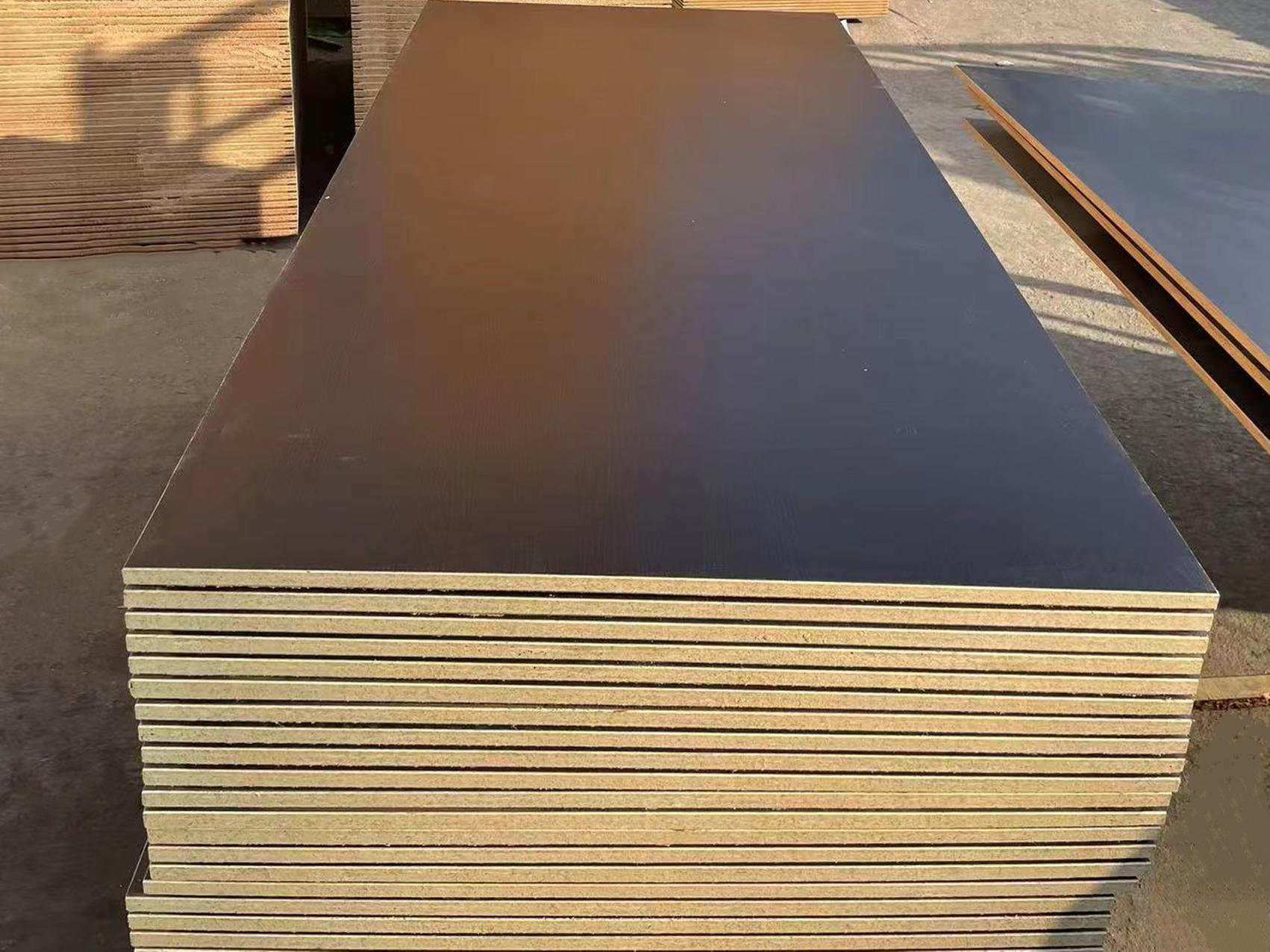
Professional Selection Criteria for High-Quality Container Flooring
Choosing the right container flooring requires a focus on bearing capacity, manufacturing process, raw material quality—three core dimensions that determine the flooring’s service life and performance. Below are the key selection guidelines to help you pick a flooring that meets your actual use needs:
1. Prioritize Compressive Bearing Capacity – Match with Actual Cargo & Operation Needs
Bearing capacity is the foundational performance of container flooring, closely linked to daily cargo weight and forklift operation scenarios. When selecting, confirm the professional test data of the flooring with the manufacturer (reputable suppliers are equipped with professional pressure testing equipment):
• The standard bearing capacity of a high-quality container bamboo-wood composite floor is about 7 tons, fully meeting the operation needs of domestic forklifts (3.5 tons) plus 3 tons of cargo rolling and loading/unloading.
• Choose flooring with bearing capacity matching your typical cargo weight—avoid low bearing capacity flooring for heavy cargo transport to prevent deformation or fracture.
2. Inspect Glue Quality & High-Temperature Pressing Technology – Avoid Process Defects
Container flooring is manufactured via high-temperature and high-pressure pressing, and the process standards and glue quality directly affect its structural firmness and durability:
• Reject flooring with shoddy manufacturing: Cutting corners in the pressing process will lead to insufficient bonding between wood layers, increasing the risk of cracking and delamination during use.
• Focus on environmental protection and firmness of glue: Inferior glue may contain toxic and harmful substances, endangering on-site operation health; glue spraying technology (instead of full coating) will cause weak bonding, easy opening and breakage, and reduced load-bearing capacity.
• Select flooring with strict process testing: Ensure the product has undergone standardized high-temperature and high-pressure testing, with tight layer bonding and no gaps.
3. Focus on Raw Material Quality – Choose High-Grade, New Material
Raw materials are the core of flooring quality, and the material grade directly determines the flooring’s bending resistance, wear resistance and service life:
• Solid wood > sawdust/particle board: Solid wood flooring has better structural integrity and load-bearing performance than spliced board made of sawdust or particle board, with lower risk of deformation.
• New wood > old/broken board: Flooring made of new, high-quality wood raw materials avoids the defects of old/broken board (such as decay, cracks, uneven density) and meets international quality standards.
• CIMC Equilink’s advantage: We have long-term cooperative high-quality flooring manufacturers in China, with products screened layer by layer. Our container flooring is made of high-grade raw materials, with the characteristics of strong bearing capacity, excellent bending resistance, waterproof, moisture-proof, corrosion-proof and high wear resistance.
Why Choose Wooden/Bamboo-Wood Composite Flooring for Containers?
Compared with steel flooring, wooden/bamboo-wood composite flooring has become the mainstream choice for standard dry containers due to its superior practical performance, cost-effectiveness and ease of maintenance—its unique advantages are irreplaceable in actual logistics operations:
1. Lightweight design, increased effective cargo capacity: Wooden flooring is significantly lighter than steel flooring, reducing the container’s tare weight and directly improving the effective load capacity of a single container, maximizing logistics efficiency for shippers.
2. High friction coefficient, easy cargo fixation: The friction between wooden flooring and cargo pallets is much higher than that of smooth steel flooring, making it easier to bundle and fix cargo with lashing equipment, effectively preventing cargo sliding and collision during transportation.
3. Easy nailing, flexible cargo fixing: Wooden flooring supports on-site nailing and fixing, which is perfect for securing irregular or heavy cargo that is not easy to bundle, providing more flexible cargo fixation solutions for on-site operation.
4. Simple maintenance and replacement, low post-use cost: Unlike steel flooring that requires welding, rust removal and painting after replacement, wooden flooring can be quickly cut and replaced, with simple construction and no complicated post-processing procedures, greatly saving maintenance time and cost.
5. Simpler supporting structure, higher transportation efficiency: Under the same trolley test load (ISO standard), the steel flooring requires a more complex base supporting structure and more raw materials, which increases the container’s overall weight and complicates manufacturing; wooden flooring matches a simple base structure, optimizing the container’s weight distribution and improving overall transportation efficiency.
International Standard Requirements for Container Flooring
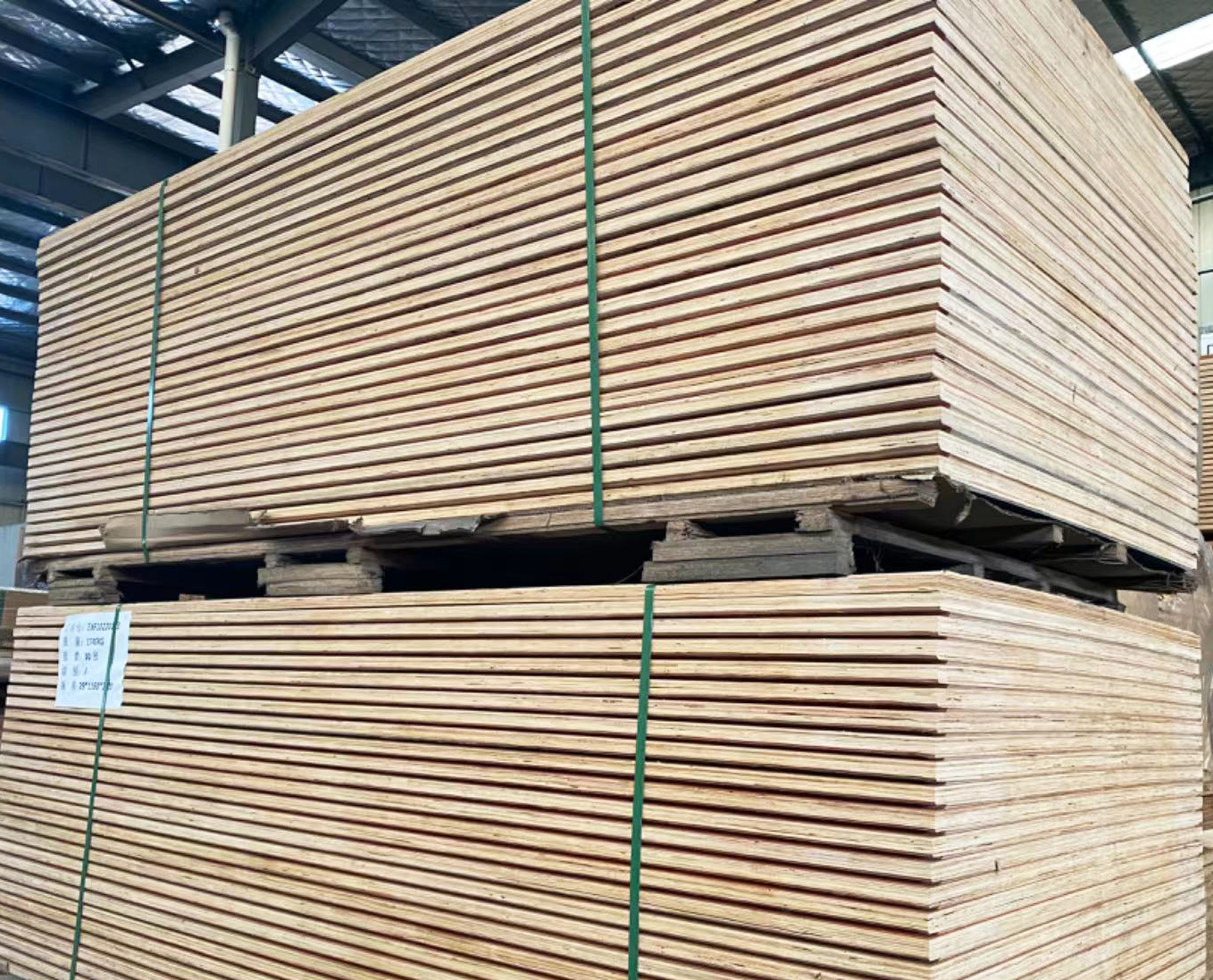
High-quality container flooring must comply with ISO international container standards and IICL (Institute of International Container Lessors) requirements, with clear specifications for thickness, material, moisture content and performance testing—these standards are the basic threshold for selecting qualified flooring:
1. Basic specifications: Standard thickness of 28mm, moisture content not exceeding 14% (to avoid deformation caused by excessive moisture during sea and land transportation).
2. Raw material requirements: Mainly APITONG hardwood, bamboo-wood composite, and other high-density hardwood materials with a standard density of 750KG/cubic.
3. Antiseptic treatment: Comply with AQIS-approved immune treatment (TCT treatment) to enhance corrosion and insect resistance, adapting to harsh marine salt spray and humid environments.
4. Performance testing: Meet the ISO container 7260KG floor trolley test requirement, and pass IICL standard tests such as 6500KG load test— the most practical on-site test is forklift loading and rolling back and forth without deformation or fracture.
5. Overall compliance: Fully meet international container flooring industry requirements and IICL maintenance and manufacturing standards, ensuring compatibility with standard container base structures.
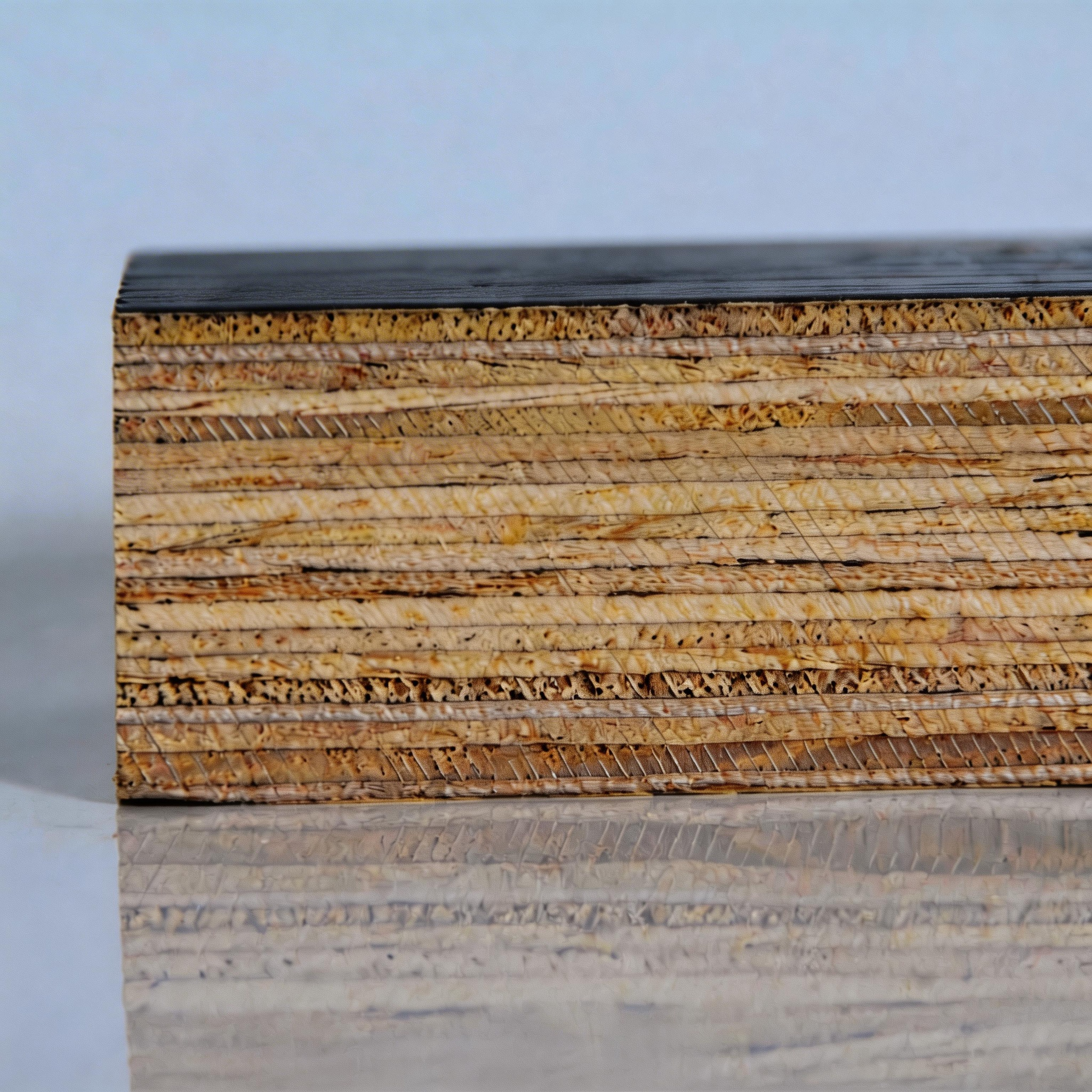
Core Advantages of Bamboo-Wood Composite Container Flooring
Bamboo-wood composite flooring is a high-quality upgraded option for container flooring, combining the advantages of bamboo and wood, and becoming a popular choice for global container manufacturers and maintenance parties with its unique performance and resource advantages:
1. Rich raw material resources, mature industrial chain: Wood has natural resource advantages for container flooring, and bamboo-wood composite flooring further expands the raw material supply—manufacturing can be carried out in situ in forestry and bamboo-producing areas, forming a mature and cost-effective industrial chain, and ensuring stable product supply.
2. Rigidity and flexibility combination, optimized container structure: The main frame of dry containers is made of steel (five sides of the box body), and the base is matched with longitudinal beams and bamboo-wood composite flooring. This steel-wood combination structure combines rigidity and flexibility, avoiding the hard impact damage of an all-steel structure during transportation and loading/unloading, and improving the overall service life of the container.
3. Excellent physical properties, quick elastic recovery: The elastic modulus of bamboo-wood composite flooring is better than that of steel—after heavy objects or forklifts pass through, the flooring can quickly restore its original shape and flatness in a short time without permanent indentation or deformation, maintaining the integrity of the container base for a long time.
4. Comprehensive performance upgrade: Bamboo-wood composite flooring integrates the high hardness of bamboo and the good toughness of wood, with better wear resistance, bending resistance and moisture resistance than pure wood flooring, adapting to the complex and harsh global transportation environment.
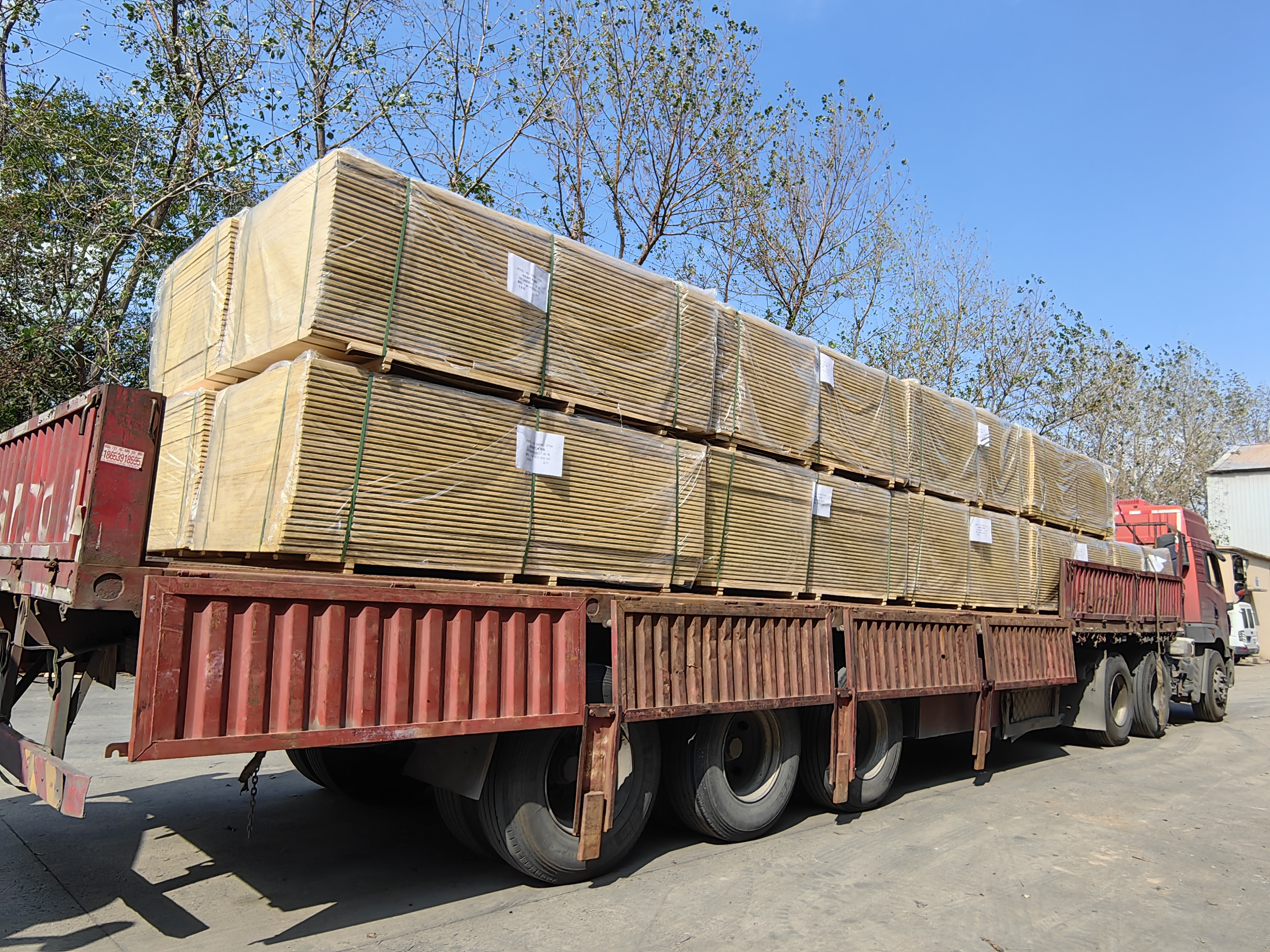
CIMC Equilink: One-Stop Supply of Container Flooring & Matching Core Parts
Our high-quality container flooring is a hot-selling core product, and global customers often purchase it in combination with our other premium container parts to form a complete container base and structural solution—all products comply with ISO international standards, with strict quality control and a stable global supply chain:
• Structural core parts: container corner casting, container corner post, container cross member, twist lock
• Security & fixing parts: container locking device, lashing equipment
• Sealing & auxiliary parts: container gaskets, lashing ring, forklift pocket
• All other functional container parts: hinge blade, container seal, bottom side rail, etc.
We have a perfect supply chain logistics system and international advanced production line cooperation resources, with strong technical force and complete testing methods. Our products meet the diverse needs of global customers for container manufacturing, maintenance and modification, and provide personalized customization solutions for special use scenarios.
Get Your High-Quality Container Flooring & One-Stop Parts Quote
Whether you need standard APITONG hardwood flooring, high-performance bamboo-wood composite flooring for new container manufacturing or maintenance replacement, CIMC Equilink has high-quality products that meet ISO and IICL standards, with stable inventory and global fast delivery. We also provide one-stop procurement services for all matching container parts, saving your procurement time and logistics costs.
If you are looking for high-quality container flooring or other premium container parts from China, or need professional guidance on container flooring selection and matching, contact us now:
• Email: info.equilink@cimc.com
• Submit a quick quote: Get instant access to product pricing, inventory and personalized solution recommendations
CIMC Equilink – Guard the foundation of your container with high-quality flooring, and provide one-stop reliable solutions for all your container part needs!
Share:


Quick Quote
Contact UsHutai Road, No. 6415 Baoshan District, Shanghai China
Tel: +86 21 6686 7007
Fax: +86 21 6686 7007
Company Mobile: +86 17316368719
Email: info.equilink@cimc.com






 Copyright © 2019 CIMC Equilink
- Container Parts